
BJJ Rehabilitation
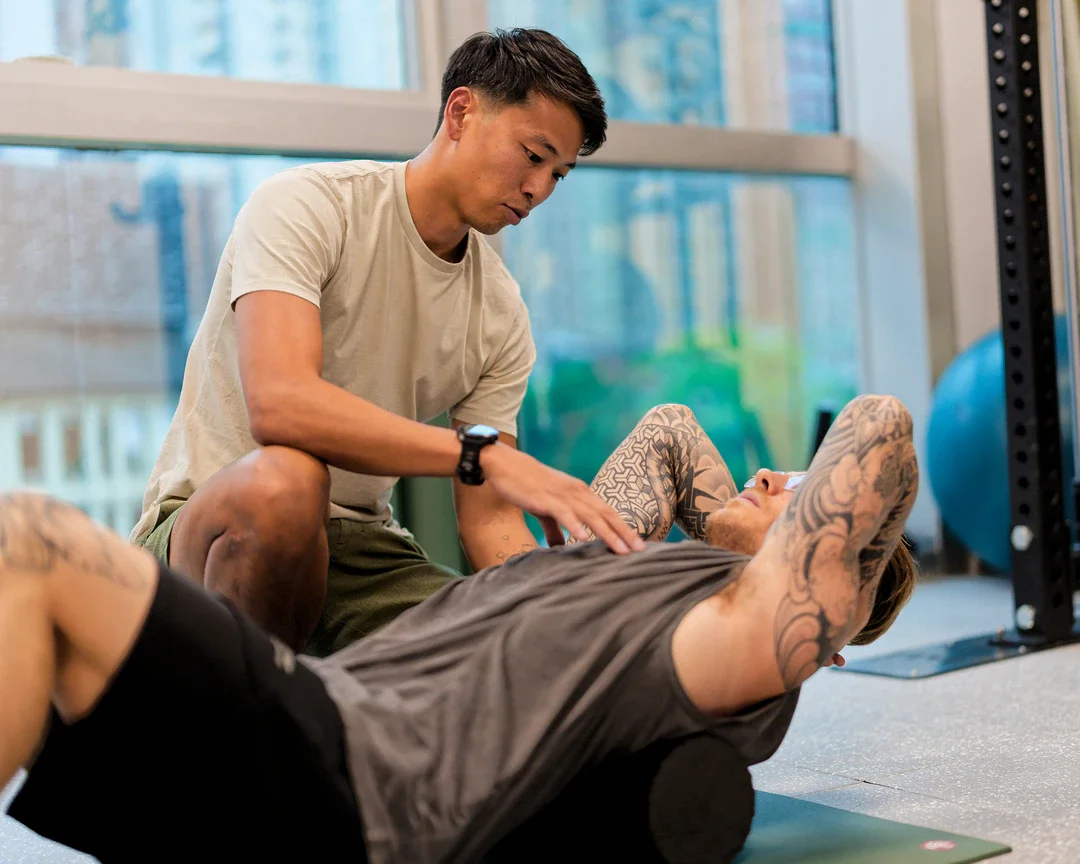
Armbars, kimuras, heel hooks — BJJ asks a lot of your joints. We help them hold up.
Grappling, joint locks, and submissions place unique and often sudden demands on the elbow, knee, and shoulder — the three joints most commonly injured in BJJ. Our Brazilian Jiu-Jitsu Physiotherapy service treats these injuries specifically, and helps you keep training and competing without the same joint becoming a recurring problem.
THE PROBLEM
BJJ injuries are often joint-specific and mechanism-specific — treatment should be too.
An armbar hyperextends the elbow. A kimura forces the shoulder and elbow into internal rotation simultaneously. A heel hook twists the knee and ankle under load. These aren't vague "overuse" injuries — they're specific mechanical events with specific structures at risk, and treating them well means understanding exactly how the injury happened, not just where it hurts. Add in the accumulated load of regular grappling — on the lower back, neck, and hands from constant gripping — and generic rehab quickly falls short of what a serious BJJ practitioner actually needs.
THE PROGRAMME
Treatment built around how BJJ actually injures the body
1. Assessment
A full evaluation of the injury and its specific mechanism — armbar, kimura, heel hook, takedown, or accumulated grip and positional load — so treatment addresses the actual structures and movements involved.
2. Evidence-Based Treatment
Targeted treatment for joint-specific injuries (elbow, knee, shoulder) and the accumulated-load issues common in regular grapplers (lower back, neck, grip and hand strain).
3. Structured Return to Training
A staged return from recovery through positional drilling, live rolling, and full-intensity grappling — not a single clearance, since the demands increase meaningfully at each stage.
4. Return to Competition
Confirming readiness for competition-level grappling specifically — including the joint-lock exposure and live resistance that drilling and casual rolling don't fully replicate.
WHY MOMENTUM
Why BJJ practitioners choose Momentum
We understand grappling-specific mechanisms — treatment accounts for the exact joint-lock and takedown mechanisms behind your injury, not a generic "sports injury" approach
Evidence-based approach — your plan draws on current clinical understanding of BJJ-specific injury patterns, including the elbow, knee, and shoulder injuries most common in grappling
A clear path back to the mats — staged return through drilling, rolling, and live competition, so you return with confidence in the joint, not just an absence of pain
FAQ
What injuries do you commonly treat in BJJ practitioners?
Elbow injuries (particularly hyperextension from armbars and kimuras), knee injuries including ACL and meniscal tears (often from leg locks and heel hooks), shoulder injuries from joint locks and takedowns, and rib injuries are among the most common presentations we see, alongside accumulated lower back, neck, and grip-related strain from regular training.
Can you help even if I'm not currently injured?
Yes — many practitioners, especially those with years of training, develop recurring joint irritation (a persistent elbow or shoulder ache) before it becomes an acute injury, and addressing this early is often more effective than waiting for a clear injury event.
I've had a joint lock injury before and it keeps coming back when I train hard — can you help with that?
Yes — recurring joint irritation after a previous joint-lock injury is common in BJJ, and our assessment focuses on why the joint isn't tolerating load well, not just treating the current flare-up.
Do I need a referral?
No — you can book directly with our team.